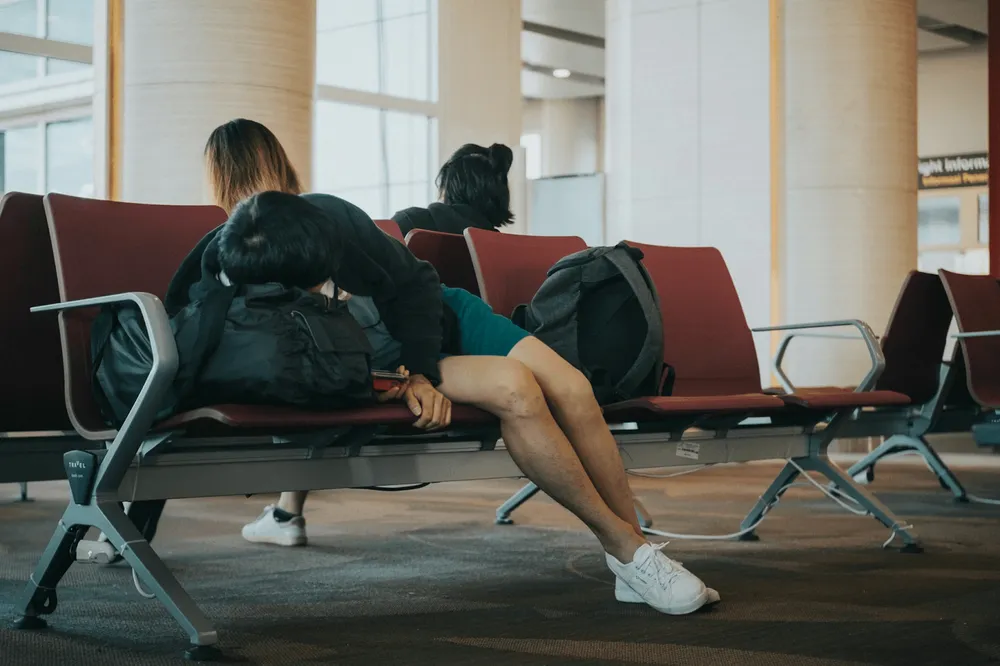
Long trips across time zones can leave even frequent travelers out of rhythm. Jet lag is temporary, but it can make the first days of a trip less productive and more tiring. This guide offers clear, evidence-aware jet lag tips and strategies to help you recover from jet lag faster and stay alert before, during, and after a long flight.
Why Jet Lag Happens
Jet lag occurs when your internal clock no longer matches the local time at your destination. Understanding the core causes helps you plan how to get over jet lag more efficiently.
Circadian Rhythm Disruption
Your circadian rhythm keeps your sleep-wake cycle on track. Rapid time-zone changes force it to shift faster than it naturally can.
Light Exposure
Light is the strongest cue your body uses to reset its schedule. Sudden shifts in daylight timing make it harder to know when to rest or be alert.
Time-Zone Shifts
The more time zones you cross, the more your internal clock must adjust. Eastbound travel shortens the day and often feels more difficult.
Sleep Schedule Changes
Early departures, late arrivals, and limited sleep on planes disrupt your usual rhythm.
Hydration and Routine Changes
Dry cabin air and irregular meals don’t cause jet lag but can make symptoms more noticeable.
Jet Lag Tips and Hacks That Actually Help
Below are practical, evidence-aware ways to recover from jet lag more smoothly. These jet lag hacks focus on habits that support your body’s natural adjustment process.
Shift Your Sleep Schedule Gradually
Move your sleep and wake times by 30–60 minutes each day before travel to ease the transition.
Try this:
- Shift earlier for eastbound travel
- Shift later for westbound travel
- Match wake-up times to the new time zone when possible
Manage Your Light Exposure
Light is the most effective tool for adjusting your internal clock.
General guidance:
- Seek morning light for eastbound travel
- Seek late-afternoon light for westbound travel
- Reduce bright light at night
Use Caffeine Strategically
Caffeine helps with alertness when timed well.
Guidelines:
- Use it in the local morning or early afternoon
- Avoid it within six hours of bedtime
- Pair it with natural light to increase alertness
Stay Hydrated and Eat on Local Time
Hydration and meal timing help your body adopt the new daily rhythm.
Tips:
- Drink water regularly
- Limit alcohol and heavy meals before bed
- Begin eating on destination time as soon as practical
Use Strategic Napping
Short naps can reduce grogginess, but long naps may prolong jet lag.
Best practice:
- Limit naps to 20–30 minutes
- Nap only in the early afternoon
Choose Flight Times Thoughtfully
If you have options, select flights that make it easier to adjust to the destination’s day-night cycle.
Consider:
- Overnight flights for eastbound routes
- Daytime departures for westbound routes
Move and Stretch During the Flight
Light movement reduces stiffness and supports alertness once you land.
Quick ideas:
- Stand or walk every few hours
- Stretch your legs and ankles while seated
Consider Melatonin Responsibly
Melatonin may support sleep timing when used correctly. The Sleep Foundation and the National Institutes of Health note that low doses can help shift circadian timing when taken at the right moment.
If you choose to use it:
- Use low doses (0.5–3 mg)
- Take it near the intended local bedtime
- Consult a healthcare provider if you take medication or have health conditions
Before Your Flight
- Start adjusting your sleep. Shift your schedule toward the destination’s time zone by 30–60 minutes per day.
- Plan your first 24 hours. Identify daylight timing, ideal meal times, and whether a short nap might help.
- Stay well rested. Avoid starting a long trip already short on sleep.
- Hydrate early. Increase water intake before travel.
- Choose helpful flight times when possible. Select itineraries that make it easier to stay awake until local bedtime.
During Your Flight
- Drink water regularly. Hydration supports alertness and comfort.
- Sleep with intention. Rest only if it aligns with the destination’s night hours.
- Move periodically. Stand, stretch, or walk every few hours.
- Adjust your clock. Switch your devices to the destination’s time zone.
- Eat modestly. Choose lighter meals or snacks that won’t disrupt rest.
After You Land
-
Sync with local time immediately. Follow the local schedule for meals, activities, and bedtime.
-
Use daylight strategically.
-
Morning light after eastbound flights
-
Late-day light after westbound flights
-
Take short, controlled naps. Limit naps to 20–30 minutes early in the afternoon.
-
Stay active but avoid overscheduling. Light movement helps with alertness; too much activity increases fatigue.
-
Establish a calm evening routine. Limit heavy meals and screen exposure.
FAQs
How long does it take to recover from jet lag?
Most travelers adjust within one day per time zone crossed, though good sleep habits and effective use of light often shorten recovery.
Is jet lag worse when traveling east?
Often, yes. Eastbound travel shortens the day and usually requires more adjustment.
Does melatonin help?
It can. Low-dose melatonin taken near local bedtime may support circadian alignment.
Should I nap when I arrive?
Short naps can help if you're struggling. Long or late naps may disrupt nighttime sleep.
When should I talk to a doctor?
If symptoms last for several days or significantly affect daily functioning, speak with a medical professional.
Bottom Line
Jet lag is temporary, but preparation and timing can reduce how long it lasts. Managing light exposure, adjusting sleep before your trip, and syncing with local routines as soon as you land are some of the most reliable ways to get over jet lag quickly. With consistent habits, you can stay alert and make the most of your time on the ground.
Subscribe to the FareSignals newsletter