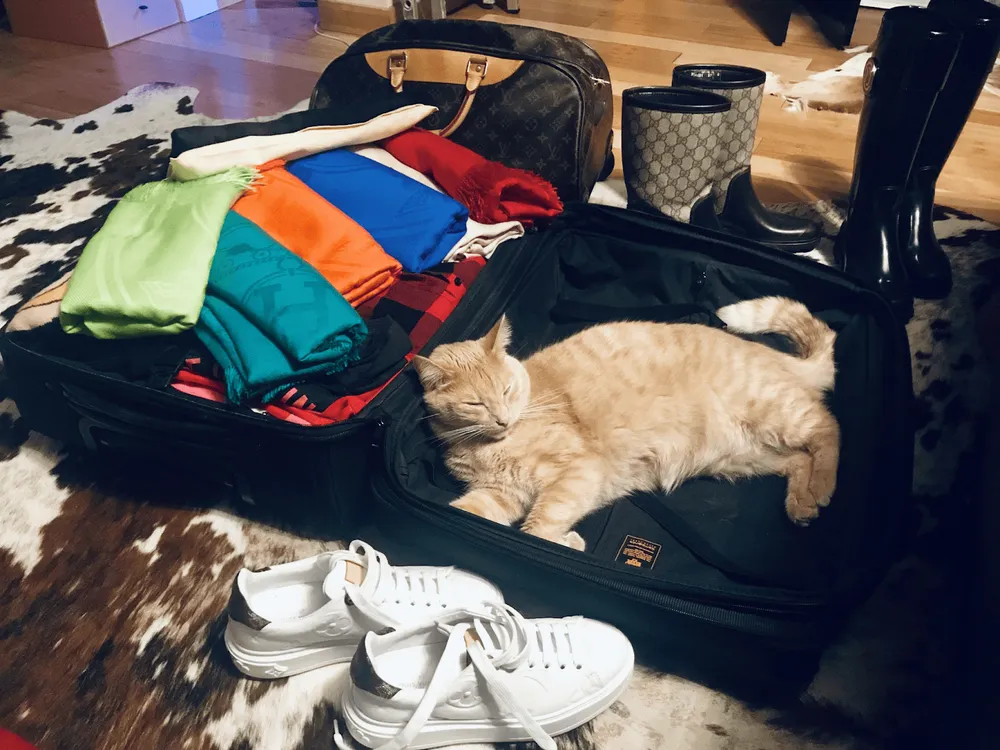
Packing efficiently is one of the simplest ways to make travel easier. This guide is for travelers who want to save space, avoid baggage fees, and stay organized from departure to return. Good packing reduces stress at the airport, helps you meet airline limits, and prevents last-minute overstuffing.
How to Pack Like a Pro: Core Principles
Decluttering Before You Pack
Start with fewer items. Lay everything out, then remove anything you do not need. Focus on versatile clothing and multipurpose items.
Choosing the Right Luggage
Match your bag to your trip. A carry-on works well for short or moderate travel. A checked bag may be better for winter gear or equipment. Look for smooth wheels, simple interiors, and pockets that support organization.
Organizing by Category
Sort items into groups: clothing, toiletries, electronics, documents, and small essentials. This reduces duplicates and makes unpacking easier.
Maximizing Space
Use a packing method that fits your clothing. Roll soft items, fold structured garments, bundle outfits that need wrinkle control, and use compression only for bulky fabrics. Fill gaps with socks or small accessories.
Minimizing Weight
Choose lighter fabrics and limit shoes to essentials. Select travel-size toiletries and avoid packing full bottles.
Following Carry-On Rules
Follow TSA’s 3-1-1 liquid rule and review prohibited items before flying. Confirm airline size and weight limits, which vary across carriers and regions. The U.S. Department of Transportation provides general guidance on baggage requirements and passenger rights at Transportation.gov.
Protecting Valuables and Essentials
Keep passports, medications, electronics, and valuables in your personal item. Use pouches or sleeves for organization and easy access at security.
Packing Systems and Techniques That Actually Work
Rolling vs. Folding
Roll T-shirts, activewear, and knits to save space and reduce shifting. Fold button-down shirts, structured tops, and tailored pants to maintain shape.
Pros
- Space efficient and easy to scan.
Cons
- Rolling does not preserve creases.
Packing Cubes
Use cubes to separate clothing by type or outfit. They keep your bag tidy throughout the trip.
Pros
- Strong organization and simple repacking.
Cons
- May not reduce space.
Capsule Wardrobes for Travel
Choose a small set of mix-and-match pieces. Stick to a simple color palette and fabrics that layer well.
Pros
- Cuts bulk and simplifies daily decisions.
Cons
- Limited variety during long trips.
Toiletry Minimization
Reduce liquids and pack only daily essentials. Use refillable bottles and consider solid versions of common products.
Pros
- Lower weight and fewer leak risks.
Cons
- Requires some planning if local stores lack familiar brands.
Electronics and Cables Organization
Keep chargers, cables, and small accessories in one pouch. Use ties to prevent tangles and place the pouch in your personal item for easy access.
Pros
- Faster security checks and less rummaging.
Cons
- Pouch can get heavy if overloaded.
How to Pack for Long Trips With Carry-On Only
Pack one week of clothing, even for longer trips, and plan for laundry. Choose quick-drying fabrics and neutral colors.
Pros
- No baggage fees and easier airport movement.
Cons
- Needs consistent laundry access.
Airport Security-Friendly Packing
Place liquids, electronics, and frequently accessed items near the top of your bag. Keep your liquids bag in your personal item.
Pros
- Faster screening.
Cons
- Limits where some items can be placed.
Pre-Trip Checklists
Use checklists to avoid missed items and limit unnecessary additions. Keep a reusable digital version you update after each trip.
Pros
- Saves time and improves consistency.
Cons
- Needs occasional revisions.
Travel Essentials That Make Packing Easier
Travel smarter
Packing Cubes
Packing cubes are helpful for travelers who want clear organization throughout a trip.
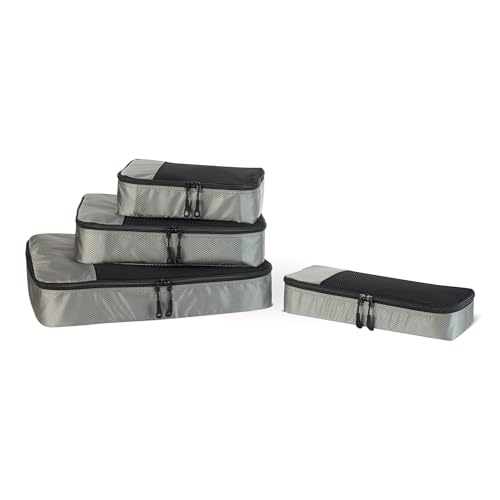
Strengths
- Easy to categorize items
- Reduces clutter
- Supports quick repacking
- Works well for families and shared bags
Potential drawbacks
- Not always space-saving
- Can lead to overfilling
Travel smarter
Compression Bags
Compression bags are great for storing bulky clothing, winter gear, or outdoor apparel.

Strengths
- Major space savings
- Keeps items contained
- Useful for winter or outdoor trips
- Works in carry-ons or checked bags
Potential drawbacks
- Concentrates weight
- Requires careful air removal
Travel smarter
Lightweight Garment Sleeves
Lightweight garment sleeves are ideal for travelers carrying formalwear or wrinkle-prone clothing.
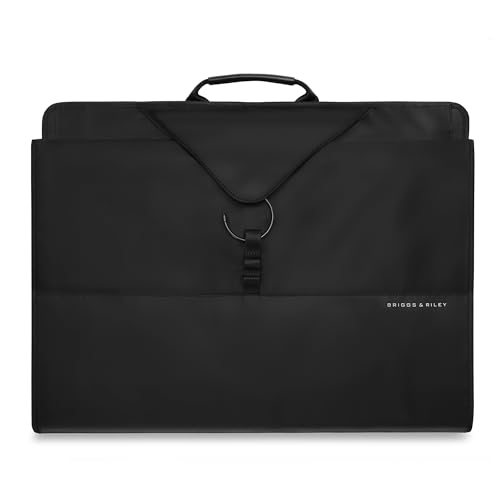
Strengths
- Limits creases
- Protects delicate fabrics
- Slim design fits most cases
- Adds structure to soft luggage
Potential drawbacks
- Holds only a few garments
- Takes some space from other items
Travel smarter
Reusable Travel-Size Toiletry Bottles
Reusable travel-size toiletry bottles are perfect for travelers who prefer their own products in TSA-friendly amounts.

Strengths
- TSA compliant when filled correctly
- Reduces bulk
- Customizable
- Reusable
Potential drawbacks
- May leak if not sealed tightly
- Needs cleaning between uses
Travel smarter
Portable Luggage Scale
Portable luggage scales help travelers avoid overweight baggage fees and manage return-trip additions.

Strengths
- Prevents extra charges
- Good for souvenir-heavy returns
- Compact
- Works across bag types
Potential drawbacks
- Easy to forget
- Accuracy varies with technique
Travel smarter
Cable and Electronics Organizer
Electronics and cable organizers make it easier to manage chargers, adapters, and small tech accessories.

Strengths
- Keeps tech in one place
- Reduces time spent searching
- Fits in personal items
- Good for international adapters
Potential drawbacks
- Can become heavy
- Needs basic upkeep
Travel smarter
Laundry Bag (Fabric or Nylon)
Travel laundry bags help keep worn clothing separate and maintain order throughout your trip.
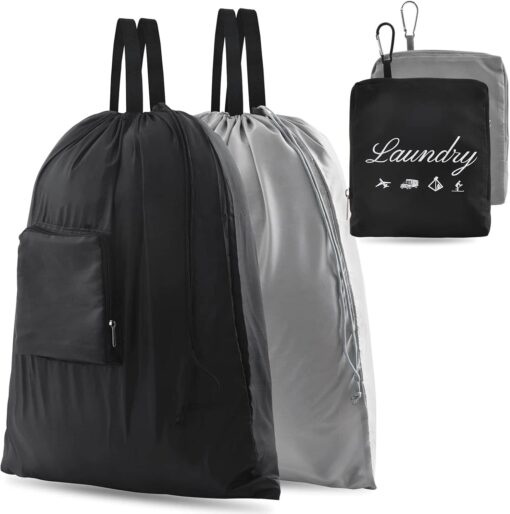
Strengths
- Maintains order throughout the trip
- Lightweight
- Contains odors
- Helpful on long stays
Potential drawbacks
- Adds slight bulk
- Requires washing occasionally
FAQs
How do I prevent wrinkles?
Fold structured items and place softer garments around them to reduce shifting. Garment sleeves and cubes can help. Hang items shortly after arrival.
Is rolling or folding better?
Use a mix. Roll casual items to save space. Fold structured pieces to maintain their shape.
How early should I pack?
Prepare non-essentials a day or two before departure. Add toiletries, medications, and daily-use items the night before.
How do I stay under weight limits?
Choose lighter clothing, limit shoes, and pack small toiletries. Use a portable luggage scale before leaving home.
What must stay in my carry-on?
Keep medications, documents, electronics, chargers, and valuables with you. Include a change of clothes in case of delays or lost luggage.
Bottom Line
Efficient packing comes from planning, selecting versatile items, and using simple systems that keep your suitcase organized. With a consistent approach, you can save space, avoid stress, and move through each stage of travel more easily.
If you want more travel guidance, subscribe to the FareSignals newsletter. You’ll get clear tips and weekly flight deals that help you travel lighter, smarter, and with a plan that works every time.
Subscribe to FareSignals